
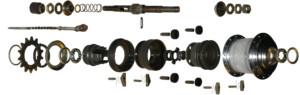
 In meinem letzten Beitrag habe ich mich mit der Reduzierung von Produktvarianten und dem unvermeidlichen Konflikt mit dem Vertrieb befasst. In diesem Beitrag werde ich mich damit befassen, wie man nicht die Anzahl der Endprodukte, sondern die Anzahl der Teiletypen, die in das Endprodukt eingehen, reduzieren kann… und hier kommt es oft zu einem Konflikt mit der Produktentwicklung. Wie bei der Verringerung der Anzahl der Endprodukte hat jedoch auch diese Verringerung der Fluktuation erhebliche Vorteile für das Unternehmen
Fluctuation
Wie man Produktvarianten reduziert
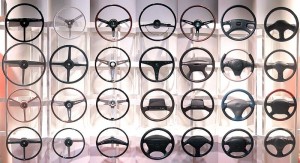 Produktvarianten treiben die Kosten in die Höhe. Je mehr Varianten Sie für denselben Umsatz haben, desto höher sind Ihre Produktionskosten. Umgekehrt können Sie Ihre Kosten senken, wenn Sie die Anzahl der Varianten reduzieren. In diesem Beitrag gebe ich Ihnen einige allgemeine Anregungen, wie Sie die Zahl Ihrer Varianten reduzieren können. Ich hoffe, dies inspiriert Sie und hilft Ihnen, effizienter zu werden
Auftragsfertigung vs. Lagerfertigung: Zusätzliche Entscheidungsfaktoren
 Bei all Ihren Produkten müssen Sie sich entscheiden, ob Sie auf Bestellung oder auf Vorrat produzieren wollen oder nicht. Eine ähnliche Entscheidung ist für Komponenten oder Rohstoffe erforderlich, die Sie herstellen oder kaufen. Wie in meinen früheren Beiträgen beschrieben, sind die Schlüsselkriterien die Menge und die Fluktuation. In diesem letzten Beitrag dieser kleinen Serie werde ich mich damit befassen, wo man den Schnitt machen sollte und welche anderen Fabriken eine untergeordnete Rolle für Ihr Produktionssystem spielen
Auftragsfertigung vs. Lagerfertigung: Die ABC-XYZ-Analyse
 In meinem letzten Beitrag habe ich mich mit der Frage beschäftigt, wann auf Lager und wann auf Bestellung produziert werden soll (Lagerfertigung vs. Auftragsfertigung). Es gibt eine ganze Reihe von Faktoren, die diese Entscheidung beeinflussen (mehr dazu in meinem nächsten Beitrag), aber die wichtigsten sind der Gesamtabsatz oder das Produktionsvolumen sowie die Schwankungen davon. Um diese zu verstehen, können Sie eine Pareto-Analyse, eine ABC-Analyse oder eine ABC-XYZ-Analyse verwenden. Ich beziehe nicht nur die Menge, sondern auch die Schwankungen mit ein. Normalerweise muss ich dies in nur zwei Gruppen unterteilen, und die drei Gruppen der ABC-Analyse oder die neun Gruppen der ABC-XYZ-Analyse sind meiner Meinung nach etwas übertrieben. Wie auch immer, schauen wir uns das mal an
Wann Auftragsfertigung, wann Lagerfertigung?
 Eine der Fragen für jedes Produktionssystem ist, ob das Produkt auf Lager vor dem Kundenauftrag (Lagerfertigung, make-to-stock, MTS) oder erst auf Abruf nach dem Kundenauftrag (Auftragsfertigung, make-to-order, MTO) produziert wird. In vielen Fällen ist dies eine einfache Entscheidung. Sonderanfertigungen sind immer Einzelanfertigungen, da man nicht beginnen kann, bevor man weiß, wie das Produkt aussehen wird. Für alles andere gibt es Ausnahmen. Lassen Sie mich den Entscheidungsbaum für die Entscheidung, welche Artikel auf Bestellung und welche auf Lager produziert werden sollen, näher beleuchten. Dies ist eine kurze Serie von Blogbeiträgen, und der erste befasst sich mit dem wichtigsten Aspekt (aber nicht dem einzigen) bei der Entscheidung zwischen Auftragsfertigung und Lagerfertigung